As we inch closer to the midway point of the decade, businesses are being propelled to re-evaluate and adapt their digital strategies to stay competitive. The landscape of digital marketing is in constant flux, influenced by technological advancements, shifts in consumer behavior, and evolving market demands. Thus, identifying key digital marketing trends for 2025 is crucial for businesses aiming to remain relevant. Below, we delve into some significant shifts, as well as enduring strategies that continue to stand the test of time.
Embracing AI Automation in Marketing
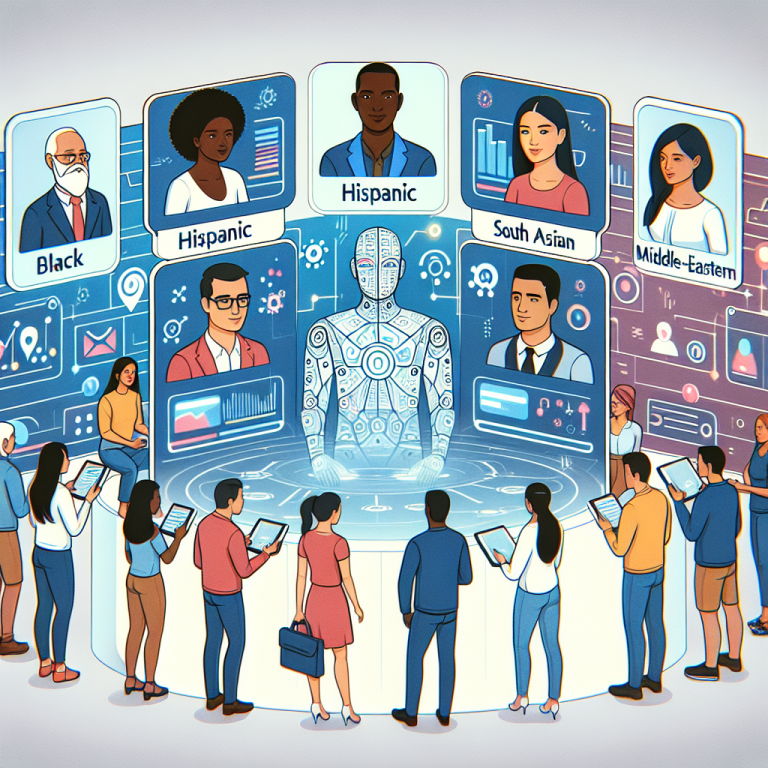
By 2025, implementing Artificial Intelligence (AI) in marketing strategies will transition from being optional to essential. AI’s ability to analyze extensive datasets, predict consumer behavior, and deliver personalized marketing experiences makes it indispensable. Today, AI is revolutionizing content creation by automatically generating engaging posts, articles, and multimedia content. In 2025, expect even more sophisticated AI tools that not only produce content but actively adapt it based on real-time customer interactions and feedback.
AI-powered chatbots, another subset of this trend, will become more human-like, offering seamless and personalized customer experiences 24/7. These tools will not just automate customer interactions but also deliver intelligent insights to refine marketing strategies further. Businesses failing to integrate AI in their marketing approaches could find themselves lagging behind competitors who leverage this advanced technology to optimize their digital strategy.
Hyper-Personalization and the Customer Experience
The demand for personalized customer experiences has consistently grown, and in 2025, hyper-personalization will dominate the marketing scene. With tools like AI and machine learning, marketers will harness data-driven insights to craft hyper-targeted campaigns, addressing individual consumer needs before they even explicitly state them. These hyper-personalized experiences will span from curated content and product recommendations to unique email marketing campaigns tailored to individual preferences.
Hyper-personalization elevates the customer journey, making it more relevant and engaging, thus driving brand loyalty and conversion. Brands not adapting to this trend may struggle to capture the modern consumer’s attention and may face diminished engagement.
The Rise of Video Funnels
Understanding the power of video content is nothing new; however, the concept of video marketing funnels will take center stage in 2025. As consumers increasingly seek dynamic and engaging content, videos will play a crucial role at every stage of the marketing funnel—from awareness to decision-making.
Incorporating video in marketing funnels facilitates better storytelling, thus more effectively capturing the consumer’s attention and facilitating stronger emotional connections. Videos can vividly demonstrate a brand’s mission, values, and product benefits, enhancing the decision-making process. Moreover, with shoppable video content on the rise, marketers can directly link products to purchase options within the video itself, streamlining the conversion process.
Data Privacy and Ethical Marketing
With increasing concerns over data privacy and stringent regulations across the globe, 2025 will escalate the importance of ethical marketing practices. As consumers become more aware of how their data is being collected and used, they will gravitate towards brands that prioritize transparency and ethical data usage.
Marketers will need to adopt privacy-centric strategies, ensuring compliance with global standards while creatively leveraging first-party data. Openness in how consumer data is handled and giving customers greater control over their own information will not only satisfy legal requirements but will foster trust and loyalty.
What Will Remain Unchanged
Despite these revolutionary changes, some fundamental strategies will remain paramount in digital marketing. Content remains king; delivering value-driven, high-quality content will continue to be the cornerstone of effective digital marketing. Educational and engaging content that addresses the needs and pain points of target audiences will maintain its role as a pivotal strategy in attracting and retaining customers.
Furthermore, while digital channels evolve, the core principle of building meaningful relationships with consumers will not change. Marketing that prioritizes authentic, human-centric interactions will endure, helping brands to establish genuine connections with their audience.
Lastly, the importance of omnichannel marketing will persist. Consumers increasingly demand seamless, consistent experiences across multiple platforms and devices. Businesses that provide an integrated customer experience—blending online and offline interactions—will continue to enjoy greater success.
Preparing for the Future of Digital Marketing
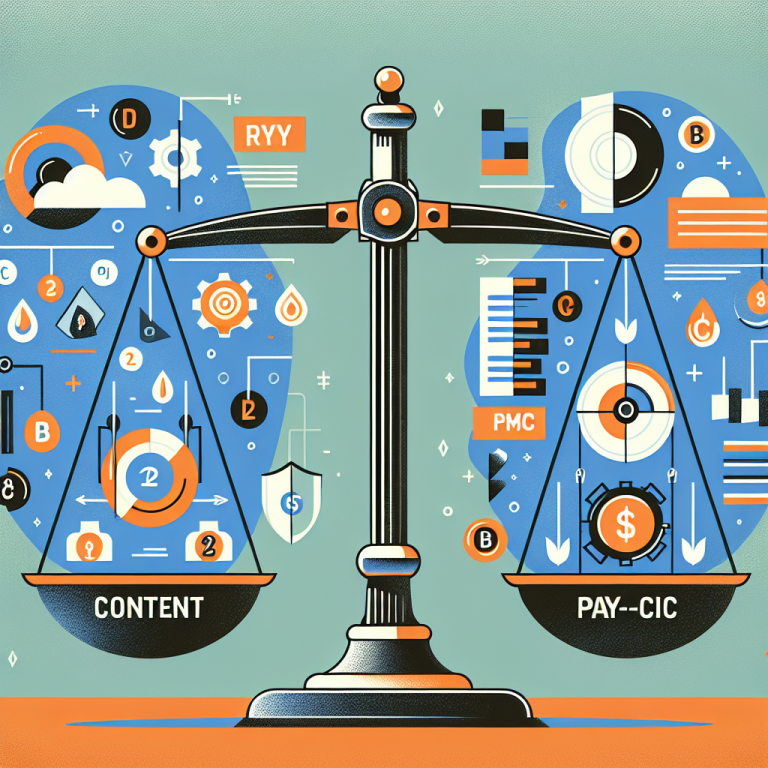
The 2025 digital marketing trends highlight the need for innovation and adaptability. As technology progresses and consumer expectations evolve, marketers must embrace change to deliver impactful, personalized experiences. Prioritizing AI advancements, hyper-personalization, video marketing, and ethical practices will prove essential for thriving in this dynamic landscape.
Nonetheless, it’s crucial to remember the enduring strategies – high-quality content, meaningful consumer relationships, and effective omnichannel presence remain critical for success. By balancing these evolving and constant elements, businesses can craft robust digital strategies that will not only survive but thrive in the future.