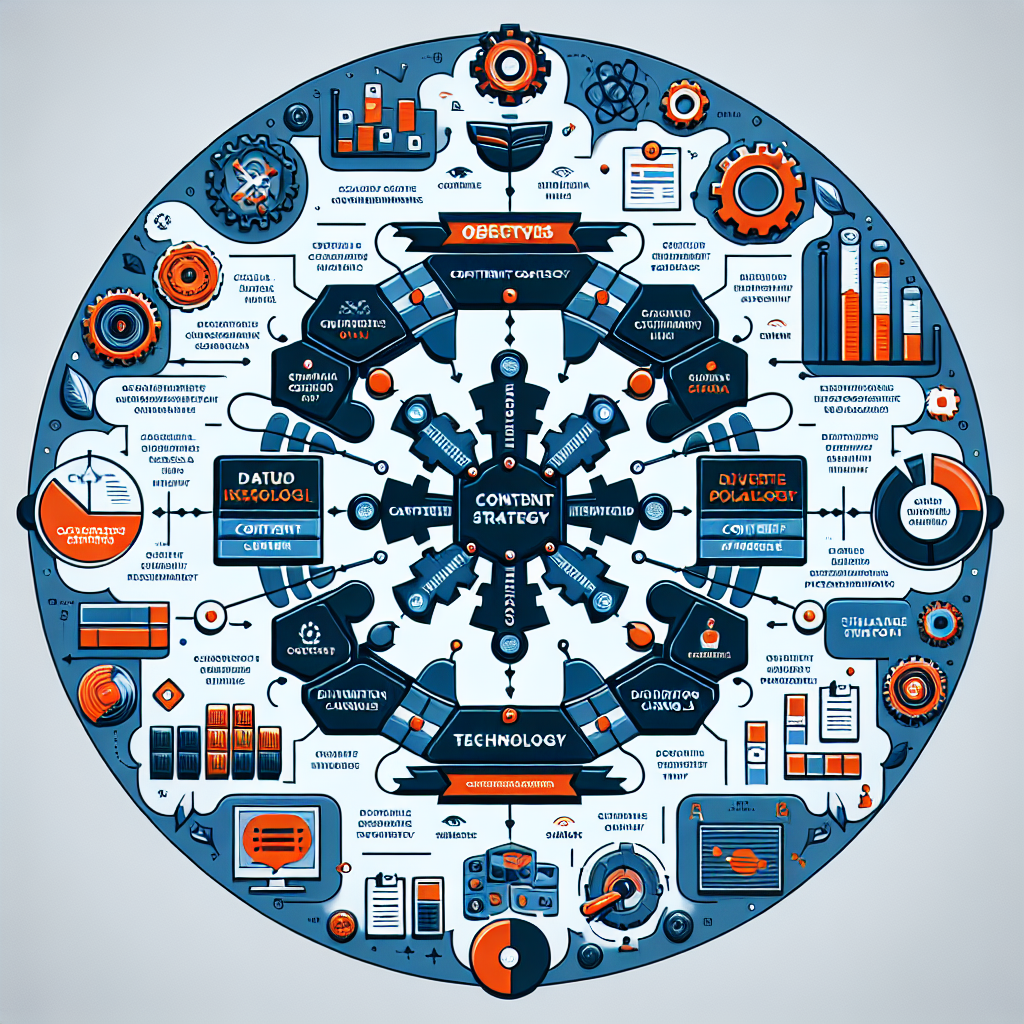
In the ever-evolving digital landscape, a scalable content strategy is no longer a luxury—it’s a necessity. Brands today need methodologies that not only align with the present but also adapt seamlessly to future demands. Welcome to the definitive guide on shaping a scalable content strategy as we approach 2025, designed to help you plan, produce, and distribute content that delivers measurable results and grows with your brand.
Understanding the Importance of a Scalable Content Strategy
Before diving into frameworks and techniques, it’s imperative to understand why a scalable content strategy is so crucial. A framework that scales effectively offers three primary advantages:
- Efficiency: With streamlined processes, you reduce redundant efforts and maximize the utility of resources.
- Consistency: A coherent strategy ensures a consistent brand voice and message across all platforms.
- Growth: Scalable strategies facilitate growth by allowing quick adaptations to market changes without significant overhauls.
Frameworks for a Scalable Content Strategy
1. Defining Clear Objectives and KPIs
Start with the end in mind. What are your content goals? Increased brand awareness, lead generation, customer retention? Defining clear objectives will guide your content creation process. Complement these goals with actionable KPIs to measure the strategy’s success, allowing data to drive decisions.
2. Building a Robust Content Framework
A content framework is your blueprint for success. It dictates how content is planned, created, published, and measured. Consider these components:
- Content Audit: Evaluate existing content to understand what resonates with your audience and where gaps exist.
- Content Calendar: Manage your content pipeline and publishing schedule for better coordination.
- Content Funnel: Develop a content funnel (awareness, consideration, decision) to cater to audiences at various stages of their journey.
3. Leverage Data-Driven Insights
Data is pivotal in crafting a scalable content strategy. Employ analytics tools to gain insights into audience behavior, preferences, and interaction patterns. Use this data to refine and adapt your content framework to better meet audience needs and preferences.
4. Cultivate a Diverse Content Portfolio
A diversified content portfolio ensures that you can engage a wide audience across platforms. This includes:
- Written Content: Blogs, articles, and whitepapers offering in-depth information.
- Visual Content: Infographics, videos, and images capture attention quickly and are highly shareable.
- Interactive Content: Quizzes, surveys, and calculators engage users actively and gather valuable data.
5. Invest in Scalable Technology
Leverage technology solutions that scale with your needs. Content management systems (CMS), automation tools, and analytics platforms that offer flexibility and integration are crucial for maintaining efficiency as your strategy expands.
6. Establishing a Strong Distribution Strategy
Your content won’t have the desired impact if it doesn’t reach the right audience. A comprehensive distribution plan encompasses:
- Owned Media: Your website, blog, email newsletters, where you control the messaging.
- Earned Media: Press coverage, guest articles, and influencer partnerships that extend your reach.
- Paid Media: PPC and social media ads to target specific demographics with precision.
7. Continuous Optimization and Feedback Loop
Implement a feedback loop to gauge the performance of your content strategy continuously. Gather insights from performance data and customer feedback, then iterate. Remember, a scalable content strategy is never truly finished—it evolves alongside your business and audience.
Conclusion: Future-Proof Your Content Strategy
As we edge closer to 2025, the ability to create a robust, scalable content strategy will separate the digital leaders from the laggards. By defining clear objectives, building detailed frameworks, leveraging data, diversifying content, and optimizing continuously, brands can ensure that their content strategies not only meet today’s demands but also anticipate tomorrow’s opportunities.
Consider this framework not just as a guideline but as an adaptable toolkit, ready to be tailored to your specific brand needs. Remember, the best strategies are the ones that grow with you, anticipating challenges and capitalizing on trends as they emerge.
Meta description: Plan, produce, and distribute content that delivers measurable results and grows with your brand.
Ready to grow your brand or project? Discover what we can do for you at https://staging.lucenpress.com.