Welcome to the digital dawn of 2025, where artificial intelligence (AI) in content marketing has matured, proving its transformative impact on how brands communicate with their audiences. As companies and marketers alike strive to streamline their content creation and distribution processes, the integration of AI has become not just beneficial, but essential. This post will delve deep into the landscape of AI content marketing in 2025, exploring cutting-edge tools and tactics to maintain your brand voice while optimizing efficiency and engagement.
Embracing AI in Content Creation
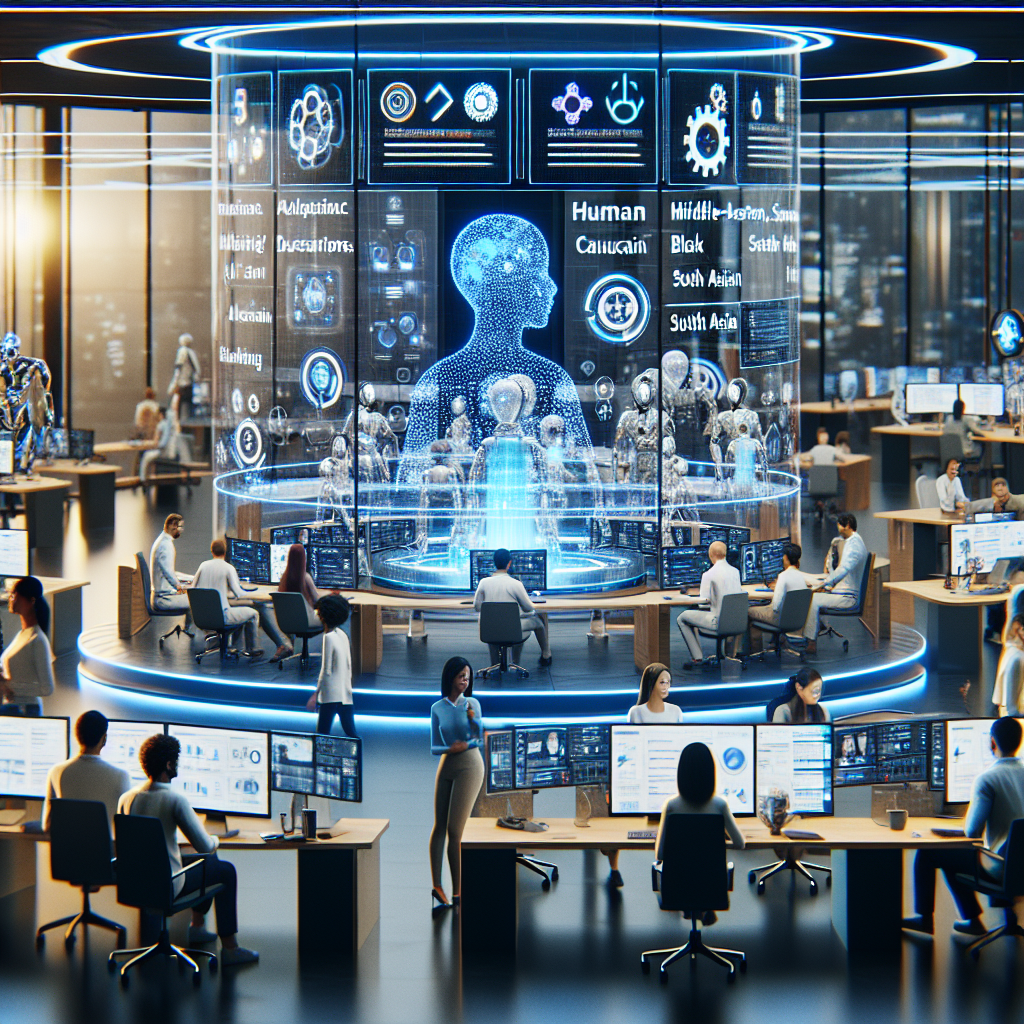
The heart of content marketing is storytelling. However, crafting compelling narratives requires time, effort, and creativity. Enter AI writers, an innovation that has revolutionized the content creation process. AI tools can now generate drafts, suggest edits, and even adapt content to different styles and tones, thereby enhancing productivity without compromising on creativity.
These AI-powered platforms employ sophisticated algorithms that learn from vast data sets, including past successful campaigns, audience behaviors, and real-time trends. With such capabilities, AI writers can produce personalized content at scale, making it a powerful ally for marketers aiming to keep pace in a fast-evolving digital world.
One of the standout advantages of using AI in content marketing 2025 is its ability to maintain a brand’s unique voice. AI language models have become adept at discerning subtle nuances, ensuring that generated content aligns with established brand guidelines and resonates authentically with target audiences.
Streamlining Content Automation
Content automation is no longer a futuristic concept but a present-day reality. AI tools have streamlined many aspects of the content marketing process, from ideation to distribution. These tools can automatically schedule and publish posts, manage cross-channel content syndication, and optimize content for SEO, allowing marketers to focus more on strategic elements like audience engagement and campaign analysis.
Furthermore, AI-based content automation systems can perform predictive analysis. By examining previous campaign data, these systems can forecast which content themes will engage specific audience segments, enabling more strategic planning. This predictive capability ensures that every piece of content serves a purpose, reducing wastage and increasing the likelihood of successful campaigns.
Deploying AI in Marketing Funnels
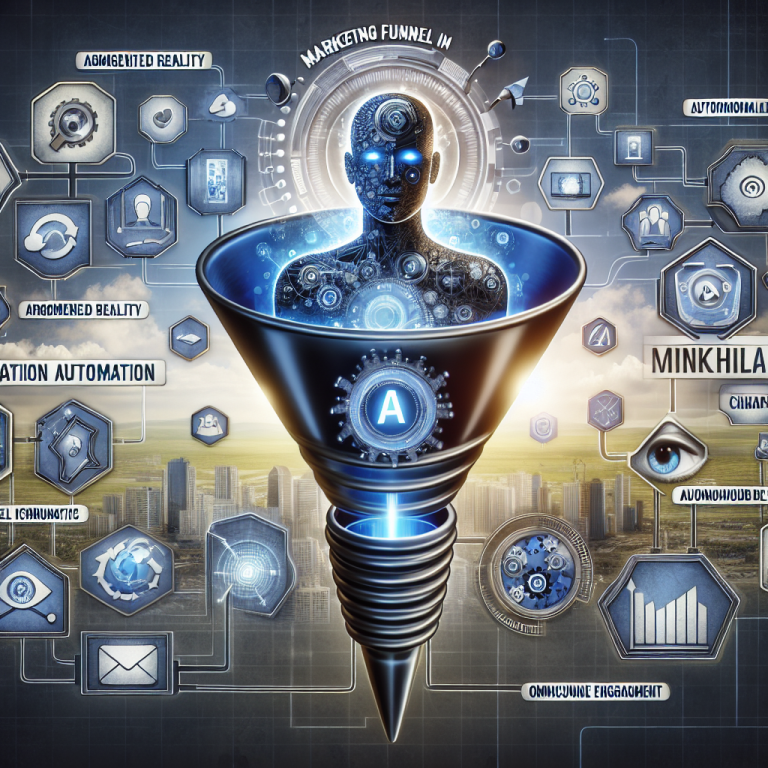
AI is also advancing how marketers design and refine their marketing funnels. By analyzing user behaviors and preferences, AI can identify potential leads, target them with precision, and guide them seamlessly through the funnel—from awareness to conversion. This automated lead nurturing process ensures that the right message is delivered at the right stage, improving the overall customer experience and boosting conversion rates.
Moreover, AI-powered chatbots are becoming indispensable in providing real-time customer interactions and support. These chatbots deliver personalized responses and gather data on customer behavior that can be used to inform content marketing strategies, refining the marketing funnel to be more effective with each iteration.
Leveraging GPT for Enhanced Blog Strategy
The Generative Pre-trained Transformer (GPT) models have become invaluable in crafting strategic blog content that captures audience attention and incites action. Through their advanced capabilities, GPT models can generate insightful topics, craft engaging narratives, and optimize posts for SEO, enhancing both the efficiency and impact of your content marketing efforts.
In 2025, the integration of GPT into blog strategy means that marketers can proactively address emerging trends and topics. By using predictive analytics, GPT models can suggest future content ideas likely to resonate with audiences, keeping brands consistently relevant and ahead of competition.
Ensuring Brand Alignment and Consistency
While AI facilitates automation and efficiency, maintaining a cohesive brand identity across all content remains a priority. AI content marketing 2025 thrives on tools that not only generate content but ensure it aligns with a brand’s ethos and voice. Customizable AI parameters now allow brands to set specific tone and style guidelines, ensuring every output is on-brand and contextually relevant.
The synchronization between AI tools and human oversight is imperative. The human element ensures brand storytelling stays authentic, complemented by AI’s speed and analytical capabilities. This synergy enhances content accuracy and maintains brand loyalty among consumers.
The Future of AI in Content Marketing
Looking to the future, AI will continue to push the boundaries of content marketing. The convergence of AI technologies with augmented reality (AR) and virtual reality (VR) will open new dimensions in interactive storytelling, providing immersive brand experiences that captivate audiences on a deeper level.
In addition, ethical AI usage will take center stage, as transparency and accountability become increasingly important. Marketers will need to ensure that AI tools are used responsibly, respecting user privacy and delivery of genuine, unbiased content.
As this landscape evolves, AI content marketing 2025 offers unprecedented opportunities for brands willing to adapt and innovate. By embracing AI tools and strategies, marketers can enhance their storytelling prowess, improve campaign performance, and fortify their brand presence in a dynamic digital world.
Ready to grow your brand or project? Discover what we can do for you at https://staging.lucenpress.com.