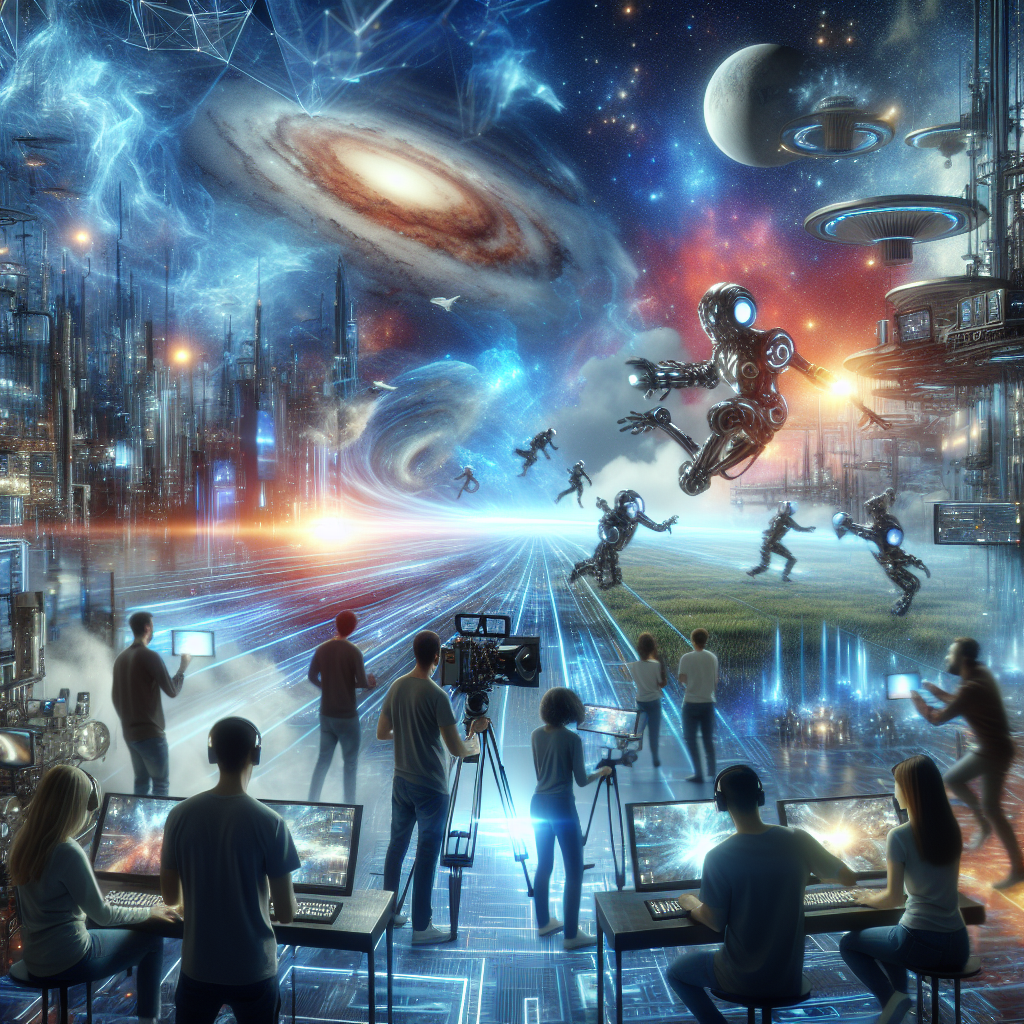
The film industry has always been at the forefront of technological innovation, from the introduction of sound and color to the use of CGI and digital cameras. In 2025, filmmakers are embracing the next wave of innovation: artificial intelligence. ‘AI in film industry’ is no longer a distant concept, but a practical reality reshaping the way movies are written, directed, and produced. This transformation is not just enhancing creativity but also streamlining production processes, ultimately paving the way for a new era of cinematic storytelling.
AI-Driven Scriptwriting
At the heart of every great film is a compelling script, and AI is revolutionizing scriptwriting by enhancing creativity and efficiency. AI film tools like predictive analytics are being used to analyze successful screenplays and box office data to generate storylines that resonate with audiences. By processing vast amounts of data from past films, these tools can suggest plot developments, character arcs, and dialogues that are more likely to capture viewers’ attention.
For writer’s block or when seeking inspiration, AI can assist by providing diverse suggestions based on genre, tone, and audience preference. Some advanced AI tools are even capable of generating entire screenplays, providing writers with a solid foundation to build upon. This blend of human creativity and AI precision is fostering an era where scriptwriters can focus more on artistic expression while allowing AI to handle time-consuming analytical tasks.
Enhancing Visual Effects
Visual effects (VFX) are integral to modern filmmaking, and AI is optimizing this aspect by automating complex processes. In 2025, AI-powered VFX tools can create realistic, high-quality effects in a fraction of the time it used to take. Machine learning algorithms can now predict and apply detailed textures, lighting effects, and background elements, allowing VFX artists to focus on refining the artistic quality of their work rather than getting bogged down in technical details.
Automated production processes made possible by AI are significantly reducing the time and cost involved in VFX creation. Scene simulations, once restricted to cumbersome manual inputs, are now seamlessly generated through AI, making it easier to create breathtaking, immersive worlds that captivate audiences. This efficiency not only enhances the visual storytelling experience but also expands the creative possibilities for filmmakers on a budget.
Streamlining Production Planning
In the world of film production, efficiency and organization are crucial, and AI is stepping up to streamline these aspects. Production planning tools powered by AI analyze data from past productions, industry trends, and logistical constraints to help filmmakers plan and execute their projects more efficiently. By optimizing shooting schedules, resource allocation, and budget management, AI reduces the risk of delays and cost overruns.
One innovative application of AI in the film industry is the automated management of complex filming logistics. AI systems are capable of dynamically adjusting plans based on changing conditions, such as weather forecasts or unexpected location constraints—ensuring the production stays on track. These adaptive systems free up valuable time for filmmakers to focus on creative directives rather than logistical headaches.
AI and Casting Decisions
The casting process is also undergoing a digital transformation with AI in the film industry. AI algorithms can process data from casting calls, historical performance metrics, and audience reception to recommend the most suitable actors for specific roles. These tools take into account variables such as actor popularity, previous role success, and social media trends, making casting decisions more informed and reducing subjectivity.
The integration of AI in casting is fostering more diverse and inclusive choices, as algorithms work without bias to find the best talent. As a result, filmmakers are discovering new performers who might have been overlooked through traditional methods, enriching their films with fresh faces and perspectives.
The Future of AI in Film
The rapid adoption of AI in the film industry signifies a transformative journey, enhancing every facet from scriptwriting and visual effects to production planning and casting. As we advance towards 2025, the role AI plays will only deepen, allowing filmmakers to push the boundaries of storytelling while maintaining efficiency and cost-effectiveness.
Whether a seasoned director or an emerging talent, embracing AI in filmmaking will be essential in navigating the ever-evolving landscape of the industry. AI film tools and automated production methods will continue to redefine how movies are conceived and brought to life, ensuring they remain as captivating, ingenious, and groundbreaking as ever.
AI is not here to replace filmmakers or suppress creativity, but to augment and empower it—inspiring new possibilities and turning ambitious visions into reality.
Ready to grow your brand or project? Discover what we can do for you at https://staging.lucenpress.com.