In the ever-evolving landscape of digital marketing, businesses are constantly exploring the best ways to allocate their resources for maximum return on investment (ROI). Two of the most effective strategies available are Google Ads and SEO (Search Engine Optimization). As we look towards 2025, it’s vital to understand how the return on investment from these two approaches compares, and how each can be strategically implemented.
Understanding Google Ads Strategy
Google Ads (often referred to as PPC or Pay-Per-Click) is a powerful online advertising platform where advertisers bid to display brief advertisements, service offerings, product listings, or video content within the Google ad network. The immediate nature of Google Ads makes it a popular choice for businesses looking for quick results.
In 2025, the strategy behind using Google Ads will focus heavily on hyper-targeting and personalization. With advancements in AI and machine learning, Google’s algorithms will become even more adept at targeting users based on highly specific criteria. This means businesses can reach their ideal customers more efficiently than ever before.
SEO vs PPC: Comprehensive ROI Analysis
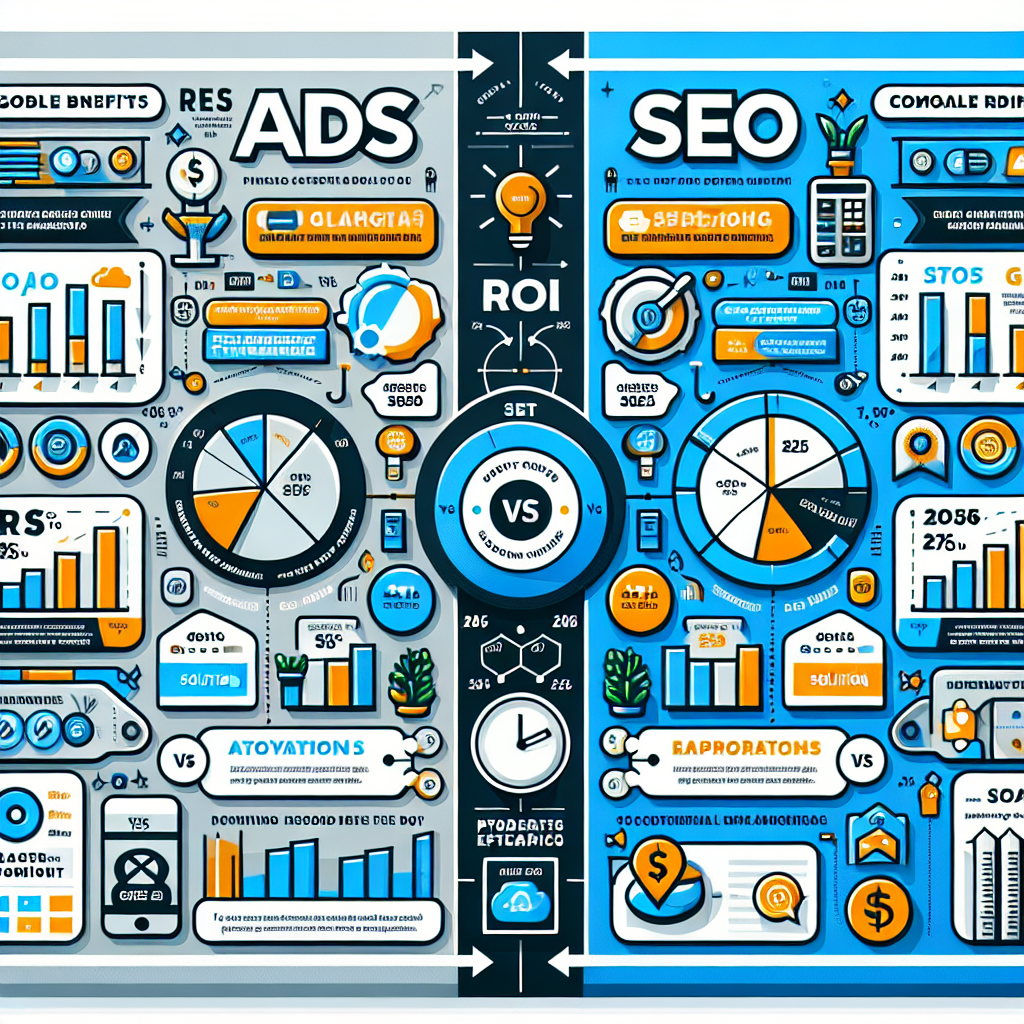
The debate between SEO and PPC isn’t new, yet as we approach 2025, the methods and expectations concerning their ROI have evolved significantly. Let’s break down the benefits and potential returns from each:
1. Immediate vs. Long-Term Gains: Google Ads provide instant visibility and traffic, making it perfect for immediate campaigns and promotions. Conversely, SEO is more of a marathon than a sprint. It takes time to see results but builds a foundation for long-term, sustainable traffic.
2. Cost and Budget Considerations: With Google Ads, the cost is ongoing. You’ll need to continuously invest to maintain visibility. However, the quick wins it provides can justify the expense, especially if your return per ad spend (ROAS) is significant. SEO, on the other hand, requires upfront time and resource investment, but once established, the ongoing costs are relatively low in comparison.
3. Organic Trust: Users tend to trust organic search results more than paid ads. With SEO, you’re building authority and trust with your audience over time, which can lead to higher conversion rates.
4. Adaptation to Algorithm Changes: Both Google Ads and SEO are susceptible to changes in Google’s algorithms. However, PPC ads can be adapted almost instantly based on new guidelines, while SEO often requires a more comprehensive approach to align with algorithm updates.
Crafting a Balanced Digital Advertising Strategy for 2025
Given the unique strengths of both Google Ads and SEO, the optimal approach for most businesses in 2025 will be an integrated strategy leveraging both methods. Here’s how you can balance them to maximize ROI:
Benchmarking and Analytics: Start by clearly identifying your business objectives. Are you looking for immediate sales? Building long-term brand awareness? Use analytical tools to track the performance of both Google Ads and SEO, utilizing data to make informed decisions on where to allocate resources.
Audience Insights and Segmentation: Use the audience data from your Google Ads campaigns to identify which segments are most profitable. These insights can influence your SEO strategy, allowing you to target similar audiences through organic means.
Content Quality and Authority Building: In 2025, content remains king. For SEO, focus on creating high-quality, relevant, and valuable content. Google Ads can be used to test different messages and ideas rapidly. The insights gained should inform your content strategy.
Agility and Flexibility: With digital marketing dynamics rapidly changing, ensure your strategy is agile. This means being ready to pivot based on the latest trends, whether in the realms of new algorithm updates or consumer behavior shifts.
SEO vs PPC: The Conclusion for 2025
By 2025, the line between SEO and PPC will be more blurred than ever, as integration becomes the key to success. Both strategies offer distinct advantages; understanding when and how to use each will allow businesses to thrive.
For immediate results, especially in competitive markets, Google Ads might be your first port of call, with its fast and targeted approach. However, do not underestimate the importance of SEO for building credibility, authority, and long-term ROI. Businesses should strive to master both worlds, ensuring a robust and resilient digital presence.
Ultimately, your decision on whether to invest more in SEO or Google Ads should be driven by your business’s unique goals, resources, and market environment. By harnessing the combined power of both, 2025 can be a year of significant digital growth and success.
Meta Description: Compare the long-term and short-term return of SEO and paid Google Ads in 2025.
Tags: Google Ads strategy, SEO vs PPC, digital advertising
Keywords: Google Ads vs SEO ROI, Google Ads strategy, SEO vs PPC, digital advertising
Ready to grow your brand or project? Discover what we can do for you at https://staging.lucenpress.com.