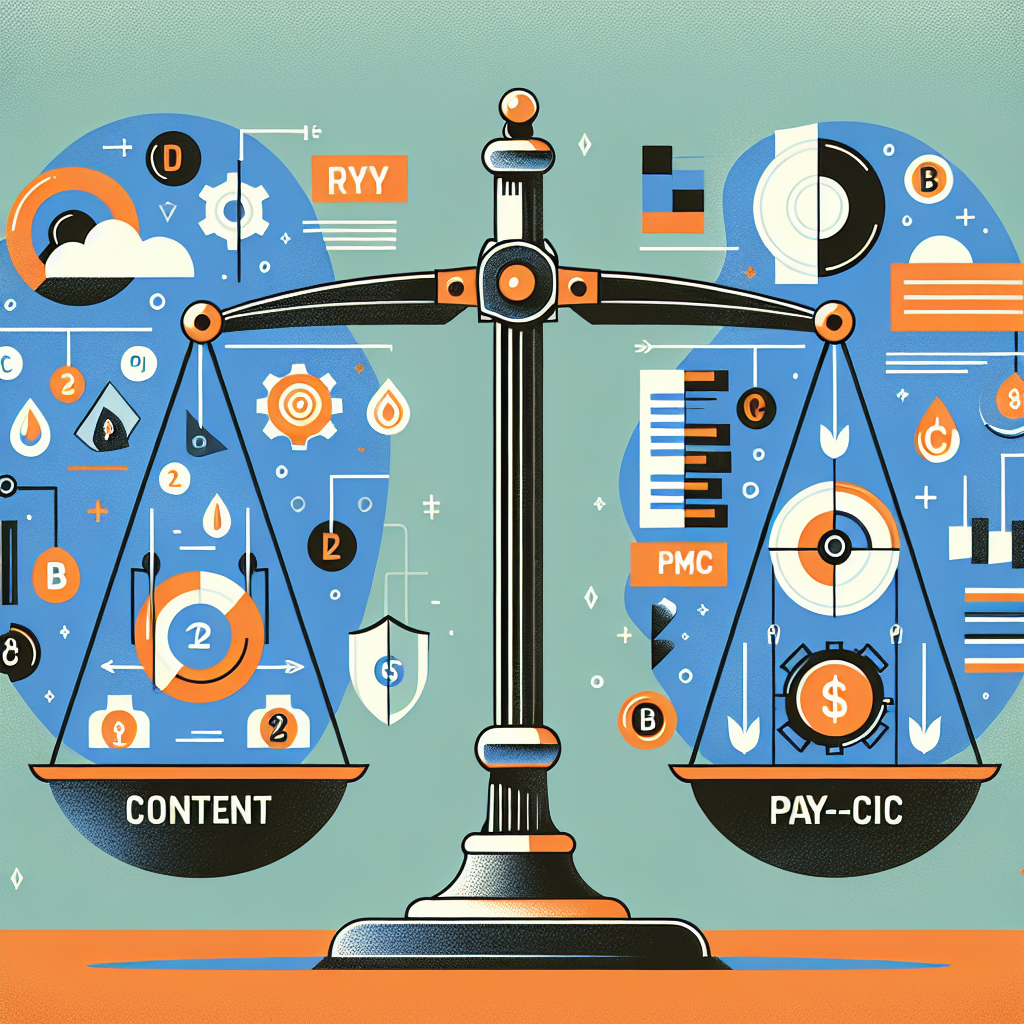
In the rapidly evolving landscape of digital marketing, businesses face an ongoing debate: ‘Content Marketing vs PPC.’ As we approach 2025, it’s imperative for marketers to understand the return on investment (ROI) of these strategies. The decision between investing in content marketing or pay-per-click (PPC) advertising often boils down to budget, goals, and timelines. This comprehensive analysis explores the strengths and limitations of each approach, helping you make an informed decision for your business.
The Value of Content Marketing: An In-Depth Look
Content marketing is the cornerstone of inbound marketing strategies, focusing on creating and distributing valuable, relevant content to attract a clearly defined audience. Unlike paid traffic sources, content marketing aims to drive organic growth over time, building trust and authority in the market.
Pros of Content Marketing:
1. Long-term ROI: While the initial investment in content creation can be substantial, the ROI for well-crafted content grows over time. Evergreen content continues to attract traffic long after its publication date, with blog ROI increasing as investments in SEO and content promotion accumulate.
2. Brand Authority: Content marketing positions your brand as an authority in your industry. By consistently providing value through educational articles, blogs, and videos, businesses can establish credibility and trust, which can lead to higher conversion rates.
3. Audience Engagement: Content marketing allows businesses to engage deeply with their audience. Interactive content types such as webinars, podcasts, and quizzes foster engagement, ensuring your brand remains top of mind.
Cons of Content Marketing:
1. Time-Consuming: The process of creating high-quality content that ranks in search engines is time-intensive. It demands ongoing effort in research, production, and optimization to consistently engage and convert an audience.
2. Delayed Gratification: Unlike PPC, which can generate immediate results, content marketing may take months to yield a noticeable increase in traffic and conversions. Patience and persistence are essential when investing in organic growth strategies.
Understanding PPC Advertising: Immediate Results with a Cost
Pay-Per-Click (PPC) advertising focuses on driving traffic quickly through paid advertisements. PPC is an excellent choice for businesses needing immediate results and willing to pay for traffic, as it allows for highly targeted campaigns.
Pros of PPC Advertising:
1. Immediate Traffic: Unlike inbound vs paid traffic strategies, PPC campaigns can be launched and adjusted instantly to achieve nearly immediate visibility, making it ideal for short-term goals and product launches.
2. Highly Targeted: PPC platforms, such as Google Ads and Bing Ads, offer powerful targeting options, allowing you to reach specific demographics, interests, and behaviors. This control is invaluable for reaching the right audience with your message.
3. Measurable Results: PPC provides clear data and analytics to measure campaign performance. Metrics such as click-through rate (CTR), cost per click (CPC), and conversion rate allow you to optimize ads in real-time for maximum efficiency.
Cons of PPC Advertising:
1. Costly Investment: The cost of PPC advertising can escalate quickly, especially in competitive industries with high CPC. Continuous investment is required to maintain visibility, and returns may diminish if ads are not effectively optimized and tested.
2. Temporary Benefits: PPC brings immediate results but lacks the long-lasting impact of content marketing. As soon as you stop paying for ads, the traffic stops, meaning the longevity of results is limited without ongoing expenditure.
Content Marketing vs PPC: Which Should You Prioritize in 2025?
The debate between content marketing vs PPC often leads marketers to wonder which strategy to prioritize. The answer lies in your specific business objectives, timeline, and budget constraints. Ideally, an integrated approach that leverages the strengths of both strategies will deliver the best ROI.
When to Choose Content Marketing:
If your goal is to build brand authority, engage with your audience on a deeper level, and achieve long-term growth, investing in content marketing is essential. It’s particularly beneficial for businesses with limited budgets seeking cost-effective, enduring results through organic traffic.
When to Rely on PPC Advertising:
PPC is ideal for businesses that need a quick boost in visibility and traffic, especially for time-sensitive campaigns and product launches. It offers flexibility in targeting and the immediacy of results, making it a go-to strategy for competitive industries where organic reach may be challenging.
The Perfect Balance: Combining Content Marketing and PPC for Optimal ROI
The future of digital marketing doesn’t reside solely in choosing content marketing or PPC but rather in combining both effectively. Here’s how:
1. Use PPC to Promote Content: Use PPC campaigns to promote high-value content pieces such as eBooks, webinars, or detailed blog posts. This strategy can enhance your organic reach and gather data on audience interactions with your content.
2. Leverage Retargeting: Implement retargeting strategies to engage visitors who didn’t convert initially. Combining the precision of paid ads with content that educates and nurtures potential customers can increase conversion rates dramatically.
3. Optimize with Data: Use insights gained from PPC campaigns to refine your content strategy. Understanding which keywords and ad copies resonate with your audience can help you better tailor your content to meet their needs and preferences.
Conclusion
As 2025 approaches, the decision to invest in content marketing vs PPC should be informed by your unique business goals. While content marketing provides long-term benefits and builds trust, PPC offers speed and precision. By strategically integrating both, businesses can experience powerful growth, achieving a balance of immediate and sustained results.
Ultimately, the combination of these strategies will optimize ROI, increase brand visibility, and ensure your marketing efforts align with broader business objectives.